Whitepapers
How Is E-Commerce Affecting Demand for Last-Mile Warehouse Space?
Search Site
Back to Menu
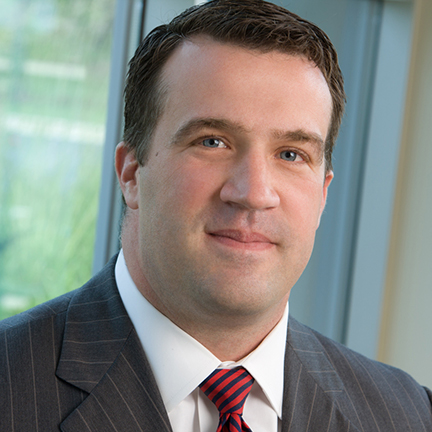
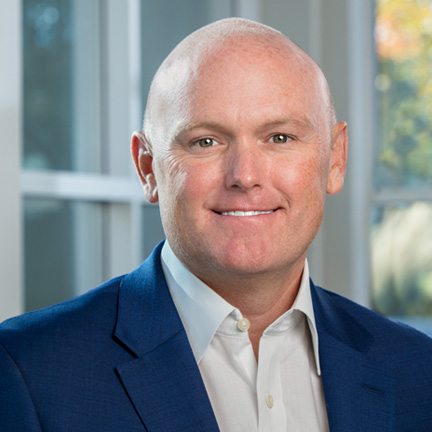
"Clients’ needs are constantly changing. One of the things we’ve been focused on, probably perpetually, but especially now, is to really get closer to the client. To understand how their operations were in the past, what they are doing today, and really where they see their operations going in the future."
- Brian McKiernan, SVP of Development, Central Region
In today’s industrial real estate market, strong demand, limited supply of high-quality assets, and a focus on sustainability are creating attractive investment opportunities. Read the transcript below or see the video interview with Brian and Ariane Herrera, Sr. Associate Editor, Special Projects, Journal of Commerce by S&P Global, in which he shares his outlook for the 2026 market, discusses how technology is shaping warehouse development, and the importance of incorporating the latest environmental and sustainability trends into new builds.
Brian: In the Midwest, where I work, we’re seeing it as pretty strong. But obviously, I think it’s a little bit day-to-day. We think the underlying fundamentals are good and that the clients are starting to get back to looking at more space, expanding operations, and looking at how they can operate more efficiently, all of which we think are good for our business and help us have a positive outlook on ‘26.
I think it’s really important to understand that our clients’ needs are constantly changing. One of the things we’ve been focused on, probably perpetually, but especially now, is to really get closer to the client. To understand how their operations were in the past, what they are doing today, and really where they see their operations going in the future. Being part of that discussion with them will really help us plan and invest accordingly. That’s probably one of our major areas of focus as a firm.
I definitely think so. We’re seeing one of the forms it’s taking in terms of industrial warehouse space is really in material handling equipment. You’re seeing more and more major retailers and 3PLs looking to see how they can install equipment, even with big investment dollars. But it’s really helping run much more efficient processes, allowing them to manage labor a little bit more efficiently. And we’re seeing that as a critical piece of their business decisions. As we build warehouses, that’s really how we can incorporate that material-handling equipment into the buildings as part of the conversation we’re having with all our clients.
I think it’s something we’re constantly evaluating — how the world is viewing finances and the monetary policies. Between lending and what customers are willing to take, it’s kind of a constant equation we’re balancing. It’s really a market-by-market decision. But we feel like a lot of the fundamentals, due to some of these trends that you mentioned, are really going in great directions for us. We have markets where there’s been less and less investment in new facilities, and now we’re starting to see clients that were able to maybe hold off on decisions for a year or two or three years, but now we’re seeing these decisions becoming critical. There are fewer available buildings or fewer buildings that are available with the right functionality, the right ability to incorporate some of the technological advances that they need.
I think, for the right projects, it’s a great time to invest. You’re seeing the right clients moving forward with projects, and you’re seeing a lot of lack of availability for the right product. That obviously depends on market by market and on the client’s business strategy, but we’re hoping, based on our capital structure, that we can meet their needs, and this could be a good time for us to invest going forward.
This is one of our core focuses for our company, to make sure that as we do invest more capital and continue to acquire buildings and develop new buildings, we’re making sure we’re looking at all the attributes of those facilities. If it’s an existing building, [we ask ourselves] ‘where are we buying? What are the environmental risks? What can we do to help the client be more environmentally conscious or sustainability-focused?’ And then, if it’s a new facility, ‘what are some things we can do to continue incorporating the latest environmental and sustainability trends to help them run a cleaner, more efficient business, and kind of meet the mandate of our owners?
For CenterPoint Investment, Development, and Asset Management inquiries in the Central Region, please contact:
Subscribe
Microsite Request